When Your Radon Fan Goes Quiet: A Guide to Radon Fan Replacement
Signs Your Radon Mitigation System Needs a New Fan
If you own a home in Pennsylvania, especially in areas like York County where radon is a known concern, your radon mitigation system is a silent workhorse. It runs continuously, pulling soil gas from beneath your slab and venting it safely above the roofline. The heart of that system is the fan motor. Over time, even the best equipment wears out. When your fan starts making unusual noises, your manometer shows a drop in pressure, or your radon levels creep back up, it is time to think about radon fan replacement.
I have been in the field long enough to see homeowners panic when their system starts acting up. The good news is that a fan replacement is a straightforward fix when done correctly. It is not a sign that your whole system is failing. It is a sign that a mechanical part has reached the end of its service life. And with proper planning, you can restore your indoor air quality without breaking the bank.
Why Fans Fail and What to Look For
Most radon mitigation systems use a continuous-duty fan designed to run for years. But the fan motor is a mechanical device. Bearings dry out, seals degrade, and electrical components can weaken. A common cause of fan failure is simple age. Another is moisture. If condensation builds up in the PVC piping and finds its way into the fan housing, it can damage the motor or cause corrosion. In some cases, a power surge or lightning strike can take out a fan instantly.
You should check your manometer at least once a month. That little gauge tells you the pressure difference your system is pulling. If the reading drops significantly or goes to zero, your fan is not working properly. Another sign is a change in sound. A healthy fan hums steadily. If you hear rattling, grinding, or a high-pitched whine, the bearings may be failing. Finally, if your radon detector shows levels above 4 pCi/L, the EPA action guideline, your system is not doing its job. That is a clear signal to investigate.
Diagnostic Steps Before Replacing
Before you order replacement parts, do a quick diagnostic test. First, make sure the system has power. Check the circuit breaker and any external disconnect switch. Then, listen to the fan. If it is silent, tap the housing gently with a screwdriver handle. Sometimes a fan stalls on a dead spot and a tap can restart it. If it starts but sounds rough, you are looking at a fan replacement. If it does not start at all, check the capacitor if your fan has one. A bad capacitor is cheaper than a whole fan, but it is a less common failure.
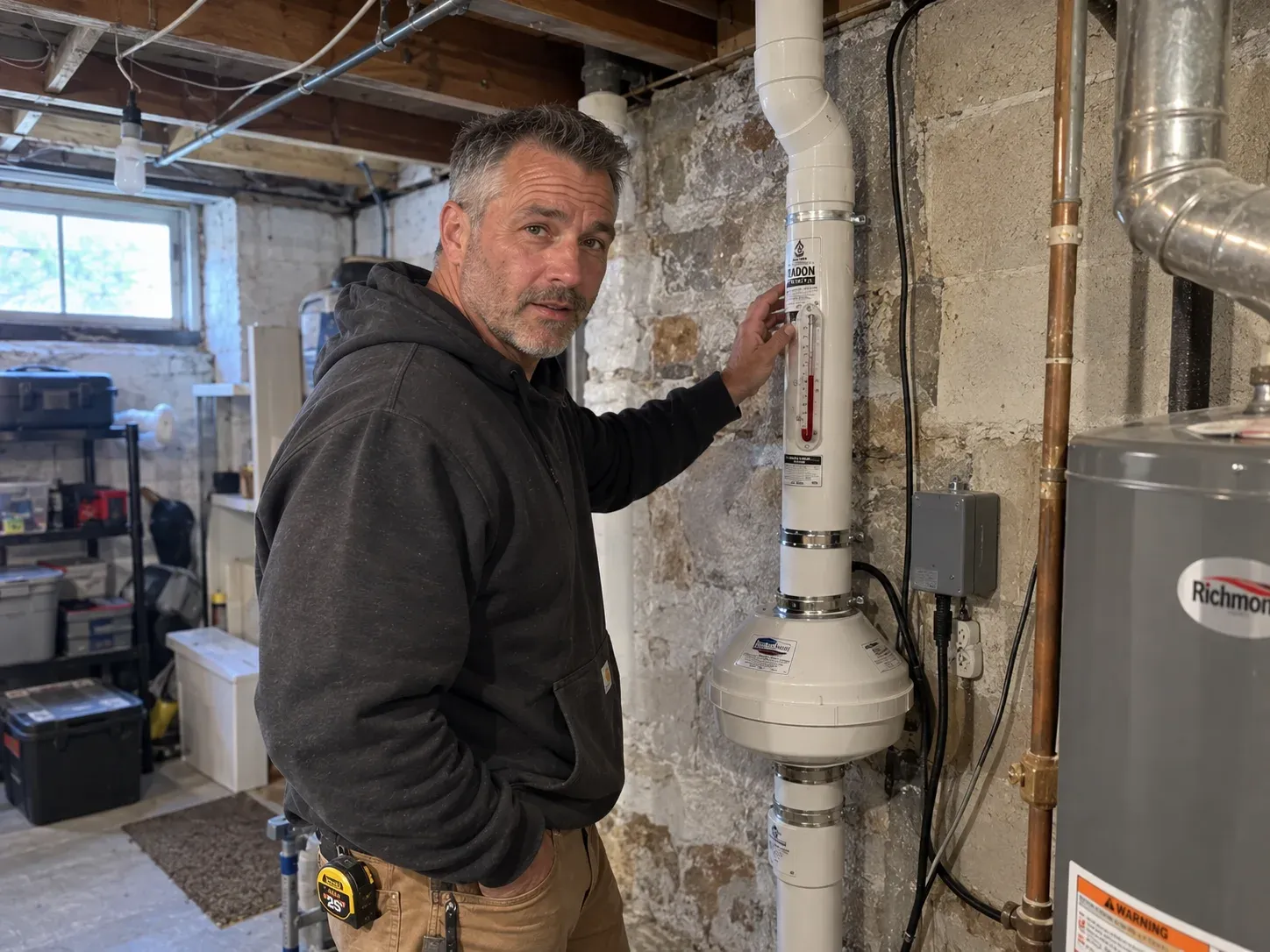
I have seen cases where the problem was not the fan itself but a blockage in the PVC piping. A nest, a rodent, or even a collapsed pipe can stop airflow. Use a manometer to check for pressure on both sides of the fan. If the pressure is normal but the fan is loud, you likely need a new fan. If the pressure is low and the fan is quiet, you may have a leak or a blockage in the system.
Choosing a Replacement Fan: What Matters
Not all radon fans are the same. You need a fan rated for continuous duty and designed for sub-slab depressurization. A common brand in the industry is RadonAway. Their fans are built to handle the specific demands of radon mitigation: they move the right volume of air against the static pressure of soil and gravel. When you replace a fan, you should match the airflow and pressure specs of the original unit, or upgrade to a model that meets current standards.
Another factor is the fan warranty. Most quality fans come with a warranty of three to five years. A longer fan warranty gives you peace of mind, but it also reflects the manufacturer's confidence in the product. Keep your receipt and register the warranty online. If the fan fails early, you will be glad you did. Also, consider the location of your fan. If it is installed in an unconditioned attic or outside, make sure the replacement is rated for outdoor use and extreme temperatures.
Installation Considerations
Radon fan replacement is not a beginner DIY job, but it is within reach for a handy homeowner with the right tools. You will need to disconnect the old fan, remove it from the PVC piping, and install the new one. The critical step is ensuring the piping is properly supported and sealed. Use a high-quality sealant at every joint to prevent leaks. A leak in the system reduces its effectiveness and can allow radon to re-enter your home.
If you are not comfortable working at heights or with electrical connections, call a professional. A qualified installer like Dan Jenkins in York County can do the job safely and quickly. He will also test the system after installation to confirm it is pulling the correct pressure and that your radon levels are dropping. The installation cost for a fan replacement is usually far less than the cost of ignoring the problem and dealing with elevated radon levels over time.
What to Expect During a Professional Replacement
When you hire a pro for radon fan replacement, the process is efficient. First, they will shut off power to the system. Then, they will remove the old fan, inspect the PVC piping for damage, and clean out any debris. They will install the new fan, using new gaskets and sealant at each connection. After the fan is in place, they will restore power and check the manometer reading. They will also run a diagnostic test to ensure the system is pulling the correct negative pressure under the slab.
A good installer will also check the rest of your radon mitigation system. They will look at the vent pipe, the roof flashing, and the electrical connections. They will make sure the fan is mounted securely and that the wiring is protected from the elements. They will also explain the new fan warranty to you and give you tips on monitoring your system going forward.
Cost Versus Value: Is It Worth Replacing or Should You Replace the Whole System?
Some homeowners wonder whether it is better to replace just the fan or install an entirely new radon mitigation system. In most cases, a fan replacement is the smart move. The rest of your system - the PVC piping, the sub-slab depressurization points, the vent stack - is designed to last for decades. Only the fan motor has a finite life. Replacing just the fan is far more cost-effective than tearing out and reinstalling a whole system.
There are exceptions. If your system is very old, if the piping is damaged, or if the original installation was done poorly, a full system replacement might make sense. But for the vast majority of homes in York County and across Pennsylvania, a simple fan replacement restores performance and saves money. The investment in a quality fan pays for itself through years of reliable operation and peace of mind.
Keeping Your New Fan Running Longer
Once you have a new fan in place, you can take steps to extend its life. Make sure the system has proper drainage. If moisture collects in the piping, install a condensate bypass or a drain tee to let water escape before it reaches the fan. Keep the fan housing clean and free of debris. If the fan is mounted outside, protect it from direct rain and snow with a cover or a shielded location. Check the manometer regularly and address any pressure changes early.
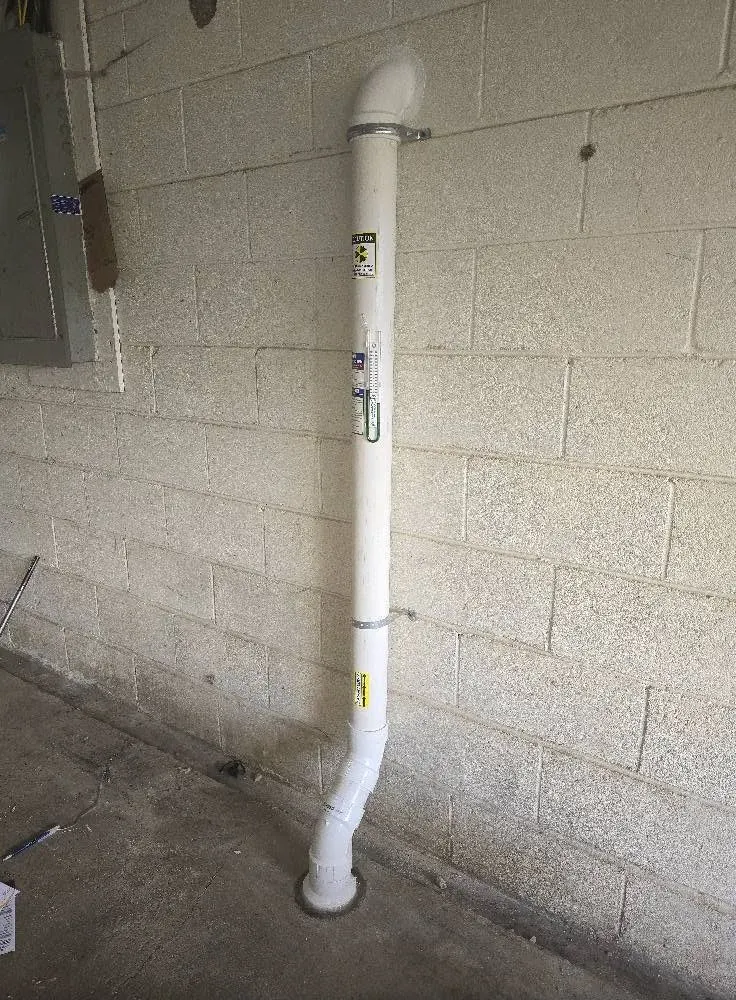
Another tip: do not block the vent outlet. Make sure the exhaust pipe is clear of nests, leaves, or snow. A blocked outlet forces the fan to work harder, which shortens its life. Also, if you ever do renovation work near the system, protect the piping from damage. A simple bump can crack a joint and cause a leak.
Final Thoughts
Radon fan replacement is a routine part of owning a radon mitigation system. It is not a crisis. It is a maintenance event. By catching the signs early, choosing the right replacement fan, and ensuring a proper installation, you can keep your home safe and your indoor air quality high. Whether you do it yourself or call a professional like Dan Jenkins, the key is to act promptly. A working system is your best defense against radon, and a good fan is the engine that makes it all possible.